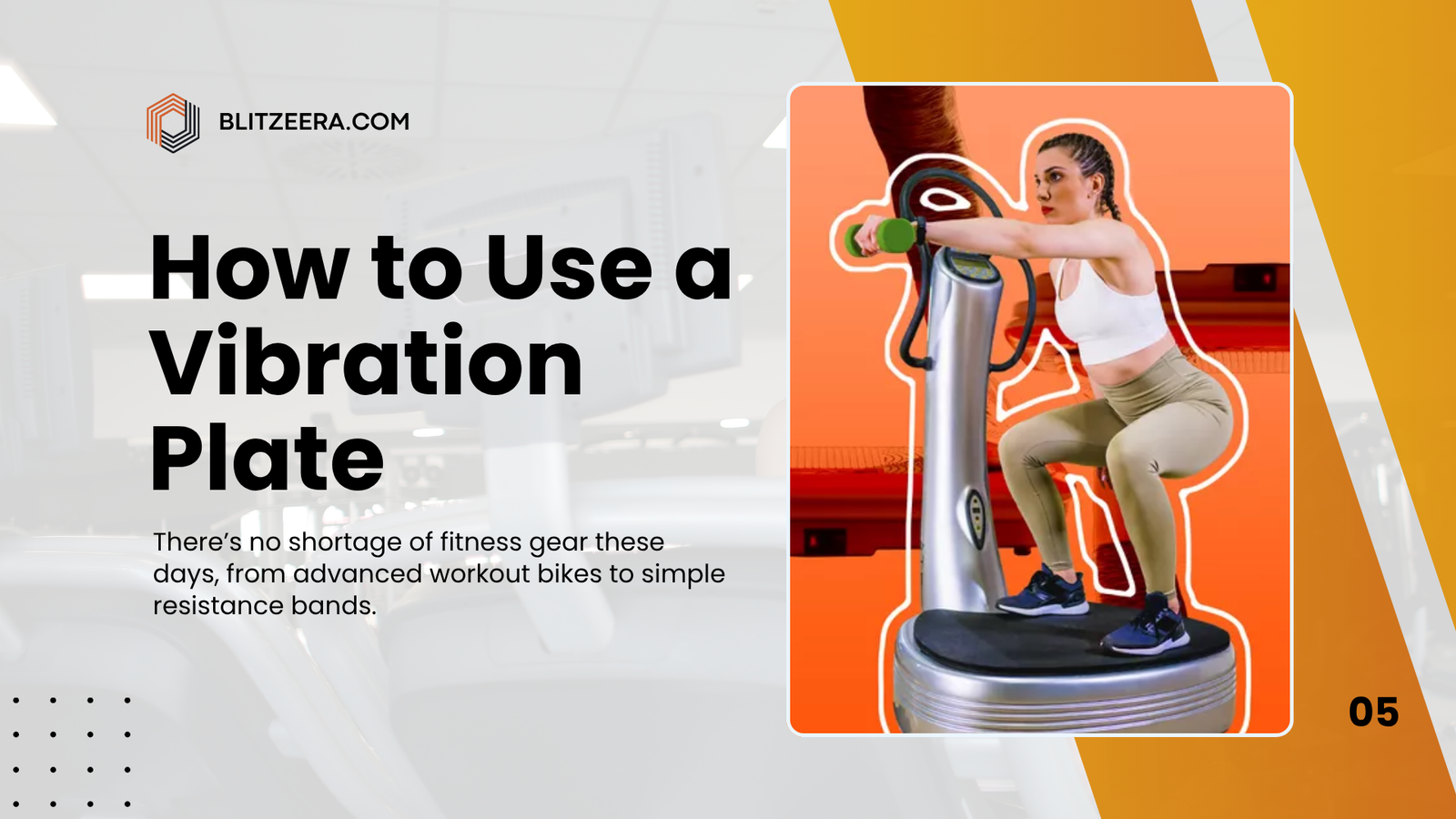
Vibration plates are a recent fitness trend with an intriguing past—they were initially created in the late 1890s. Today, they aim to help build muscle strength and reduce weight. Let’s explore how working out on a vibrating surface could benefit you and how it fits into today’s crowded fitness landscape.
How to Use a Vibration Plate
What Is a Vibration Plate?
While not always the most sought-after gym equipment, smaller and effective versions have gained traction thanks to the trend of home workouts. These devices can offer benefits before, during, and after exercise.
Benefits of Using a Vibration Plate
The use of a vibrating plate induces more muscular contraction, which may have the same impact on muscle mass and strength in less time. While further study is needed, several studies suggest that using a vibration plate helps improve physical strength and performance.
It’s worth noting, however, that some people use vibration plates as an alternative to a typical workout, while others use them during exercises like squats or crunches or as part of a warm-up or cool-down. Here are some further benefits of vibration plates.
Weight Loss
Improved Balance
Increased Circulation
Whole-body vibration may enhance blood flow by stimulating muscular contraction. Studies have shown that whole-body vibration enhances peripheral blood flow; blood is carried throughout the body, not just to the chest or belly. However, it should be noted that it does not improve muscle oxygenation.
Reduced Bone Loss
One study of postmenopausal adults using vibration plates found greater bone mineral density than in those who did not use vibration plates (30). In another study, those who received vibration treatment showed greater improvement in bone mineral composition than those who used diet and exercise alone.
Improved Muscle Recovery
Low-Impact Muscle Stimulation
Vibration plates may also help alleviate back discomfort. More research is needed; however, one study found that participants using vibration plates reported less pain after sessions than those who did not use the equipment.
Safety Precautions
Setting Up Your Vibration Plate
He recommends placing the plate on a flat, firm surface and then standing on it with your feet about a foot apart, maintaining slightly bent knees for support. At this point, you can perform various exercises on the plate for 15-20 minutes. Ensure you are comfortable with any exercise before performing it on the plate.
Step-by-Step Guide on How to Use a Vibration Plate
- Stand with your feet shoulder-width apart and knees slightly bent.
- Switch on the system and set the required settings.
- Allow your body to acclimatize to the vibrations. Give yourself at least 30-45 seconds.
- When you feel ready, start the exercises you have chosen.
Recommended Exercises
Squats
- Stand with feet hip-width apart.
- Squat down
- Lower your hips back, keeping your chest up and your belly button pushed against your spine.
- Squat down to 90 degrees or as near as you can get.
- Rise again.
Calf Raises
- Stand on the plate and lift both heels so you are on the balls of your feet.
- Hold for 10 to 20 seconds and drop down.
- If your plate has stability handles, grab onto them until you feel confident in your stability.
Should Flexions (Front Raises)
- Stand with your feet hip-width apart.
- Grasp one handle in each of your hands.
- Contract your core and raise each handle to shoulder height, keeping your arms straight.
With these techniques in mind, now is a prime time to try your gym or home vibration plate. This often-misunderstood equipment can add significant value to your routine and help increase workout efficiency.
Additionally, if you want to upgrade your warm-up or cool-down, vibration plates are a versatile option. They can help you activate muscles faster and recover more comfortably, making them ideal for anyone looking to boost bone health or prioritize low-impact activity.